Wedding Planning
How to Plan a Wedding: A Practical Guide From First Ideas to the Final Details
Set priorities, build a workable guest list, compare venues, and turn the big decisions into a calm wedding plan.

A wedding plan works best as a sequence of decisions: agree on the experience, establish a spending limit, estimate attendance, and then choose a venue. Flowers and invitations become easier once those foundations are settled. You do not need every detail decided before you start; you need to know which decision unlocks the next one.
This guide is a flexible planning framework, not a fixed twelve-month schedule. A small restaurant celebration and a weekend wedding with traveling guests need different preparation. Adjust the pace to your circumstances, keeping the order of the major commitments intact.
Before sending invitations, decide how responses will be collected and who will update the list. Keep household names, meal choices, and access requests in one protected tracker. Share only the details each vendor needs, and remove unnecessary personal information after the event rather than keeping it indefinitely.
Start with three shared priorities
Separately write down what you hope to remember about the day. Compare your answers and choose three priorities together. These might be time with family, a meaningful ceremony, and excellent food. Keep this list near your budget so that each new idea has something practical to answer to.
Also name what you are comfortable skipping. A couple who dislikes being the center of attention might leave out a grand entrance. People who love conversation might choose a seated lunch instead of a long dance party. Your preferences are useful planning information, not problems to fix.
Build the budget before booking
Record money already available, confirmed contributions, and the amount you can comfortably save before payments fall due. Do not count on gifts or unconfirmed family support. Agree with contributors about any expectations attached to their help before you accept it.
Create separate columns for estimated cost, quoted cost, deposit, balance, and due date. Include clothing alterations, delivery, setup, taxes, service charges, transportation, and a contingency line. Our wedding budget planning guide shows how to compare quotes without hiding those smaller commitments.
Make a realistic guest list
List people by household and define a consistent approach to partners and children. Keep a working invitation count and a separate attendance estimate. A venue must accommodate the people you invite unless you have a deliberate, clearly managed invitation sequence; assumed declines are not a seating plan.
Ask about access and dietary needs without requiring guests to disclose private diagnoses. Think about travel time, stairs, toilets, seating, weather protection, and how people will get home. These details affect your venue shortlist as much as the photographs do.
Visit venues with the same questions
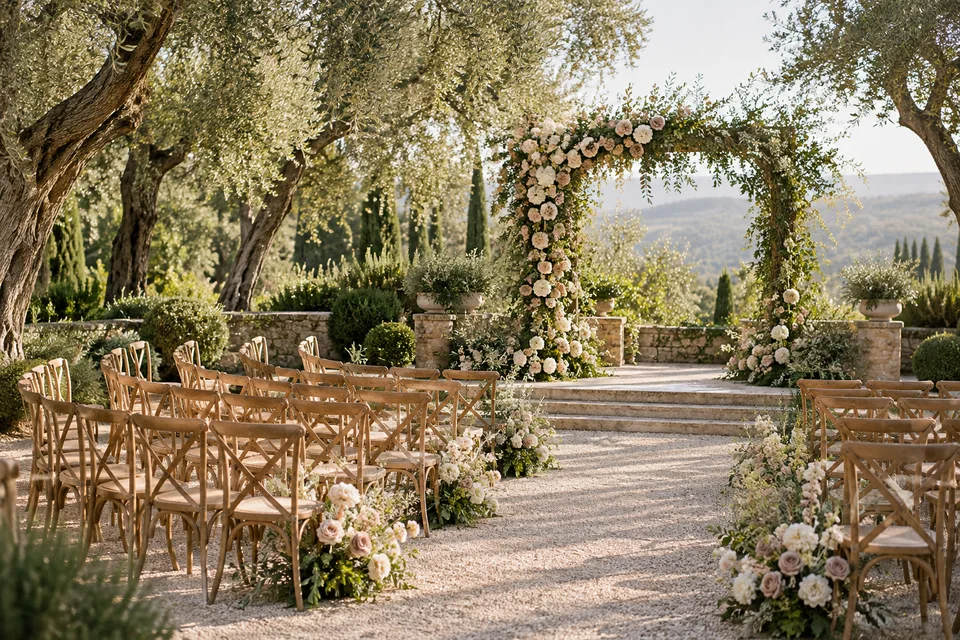
Compare usable spaces rather than advertised maximum capacity alone. Ask how the room works with dining tables, a dance floor, mobility aids, and vendor equipment. View the wet-weather alternative if any part of the celebration is outdoors. A backup room should support the actual guest count and ceremony plan.
- What hours are included for setup, the event, and removal?
- Which furniture, staff, and equipment are included?
- Are caterers or other vendors restricted to an approved list?
- What happens if the outdoor plan becomes unsuitable?
- How are cancellations, postponements, and additional charges handled?
Request written answers and read the agreement before paying. Specific contract or insurance questions deserve qualified advice appropriate to your location. A beautiful room does not resolve unclear responsibilities.
Book vendors around real dependencies
Once the date and venue are confirmed, contact the people whose availability shapes the event: the officiant, food provider, photographer, and any essential coordinator or entertainment. Share the same event brief with each vendor, including guest count, location, access details, and the services you actually need.
Ask who will attend on the day, what happens if they are unavailable, and what is excluded from the quote. Check delivery windows and power requirements before agreeing to extra equipment. Keep one document containing signed agreements, payment dates, and a named contact for every service.
A planning sequence you can adapt
| Stage | Decide | Useful output |
|---|---|---|
| Foundation | Priorities, limit, guest range | One-page shared brief |
| Commitments | Venue, date, essential vendors | Contracts and payment calendar |
| Guest details | Invitations, access, meals, travel | Guest information and response tracker |
| Final coordination | Schedule, responsibilities, deliveries | Run sheet and contact list |
If your engagement is short, reduce the number of moving parts instead of trying to compress an elaborate schedule. One location, fewer rentals, and a smaller vendor team can make a shorter planning window more manageable. Ask vendors about realistic lead times before promising a date to guests.
Give the ceremony its own planning time
Talk with your officiant about the required parts and the choices available to you. Legal marriage requirements vary by jurisdiction; check them directly with the responsible authority. Decide who will speak, how names are pronounced, and who will hold rings or readings.
Our personal ceremony ideas can help turn those choices into a coherent sequence. Allow time to rehearse movements and microphone handoffs. A ceremony that is easy to hear and follow often feels more intimate than one packed with extra rituals.
Create a run sheet people can actually use
Work backward from fixed moments such as the ceremony and meal service. Add travel, getting dressed, photographs, setup, and a little breathing room between activities. Ask each vendor to review the timings that affect their work instead of guessing on their behalf.
Give responsibility for questions on the day to a coordinator or willing, informed helper. That person needs permission to make small decisions and a clear escalation point for larger ones. Share a short contact sheet rather than sending every guest your entire planning folder.
The final handover checklist
- Confirm guest count, meals, seating, and access arrangements.
- Reconfirm venue access, weather decisions, and vendor arrivals.
- Label items by destination and assign collection afterward.
- Prepare rings, documents, clothing, and an essentials bag.
- Share the final run sheet and emergency contacts with the people using them.
- Set aside time to eat, drink water, and be together.
The strongest plan protects what you value and makes responsibilities clear. Once the essential decisions are settled, use the remaining time to simplify. Leave room for the people and moments you wanted to celebrate in the first place.
Published by Anna’s Weddings Editorial. Examples are illustrative; planning suggestions should be adapted to your location, venue, and circumstances. Read our editorial standards.