Ceremony & Traditions
Wedding Traditions Explained: Classic Customs and Modern Alternatives
A respectful way to understand wedding customs, discuss family expectations, and choose what to keep, adapt, or leave out.
Wedding traditions are practices carried through particular families, faiths, places, and periods. Their meanings can change, and the same action can mean different things to different people. Start by asking whose tradition you are discussing and what it means to the people involved, rather than assuming a single universal rule.
This guide is a decision tool, not an encyclopedia of world ceremonies. It looks at familiar choices and offers a respectful way to investigate them. A knowledgeable officiant, cultural organization, or family tradition-bearer is a better source for a specific ritual than a general wedding checklist.
Ask what the custom means now
A tradition can carry personal meaning even if its historical background is complicated. A family might value a particular song because generations have celebrated with it. Another couple may feel uncomfortable with an action that suggests a relationship or role they do not recognize.
Separate three questions: what is documented about the practice, how your community understands it, and how you feel about participating. These answers may differ. You can acknowledge that difference without pretending there is only one correct modern interpretation.
The white wedding dress is one option
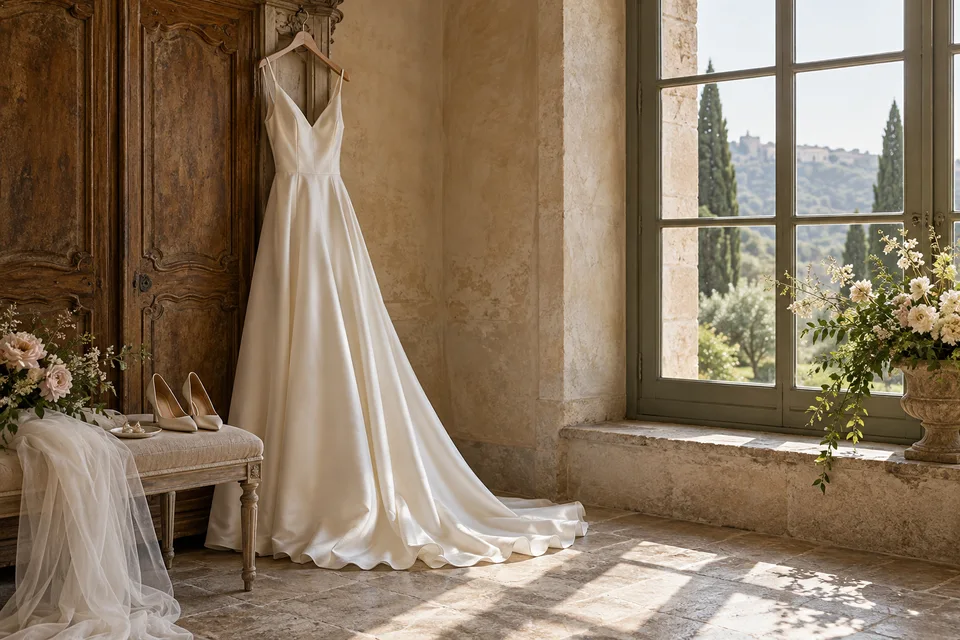
The Victoria and Albert Museum's history of wedding color documents colorful bridal clothing and the influence of Queen Victoria's white dress in 1840. Its collection is a reminder that white has not been the only wedding choice. That limited historical point does not describe every community's dress customs.
For your own outfit, consider the setting, the ceremony, comfort, and what feels right to wear. White, ivory, color, tailoring, separates, and an outfit you already own can all be deliberate choices. If a religious ceremony has dress requirements, clarify them directly before purchasing or making alterations.
Entrances and family roles
In some Western wedding formats, a bride enters with a parent. That pattern is not universal, and no couple has to recreate a family arrangement that does not fit. Partners may enter together, with different supporters, independently, or through an entrance specific to their own tradition.
Discuss the emotional meaning as well as the logistics. A parent might understand an entrance as a moment of support while a partner hears language of being given away. Changing the spoken introduction can sometimes preserve the affection without carrying an unwanted implication.
Rings and alternative symbols
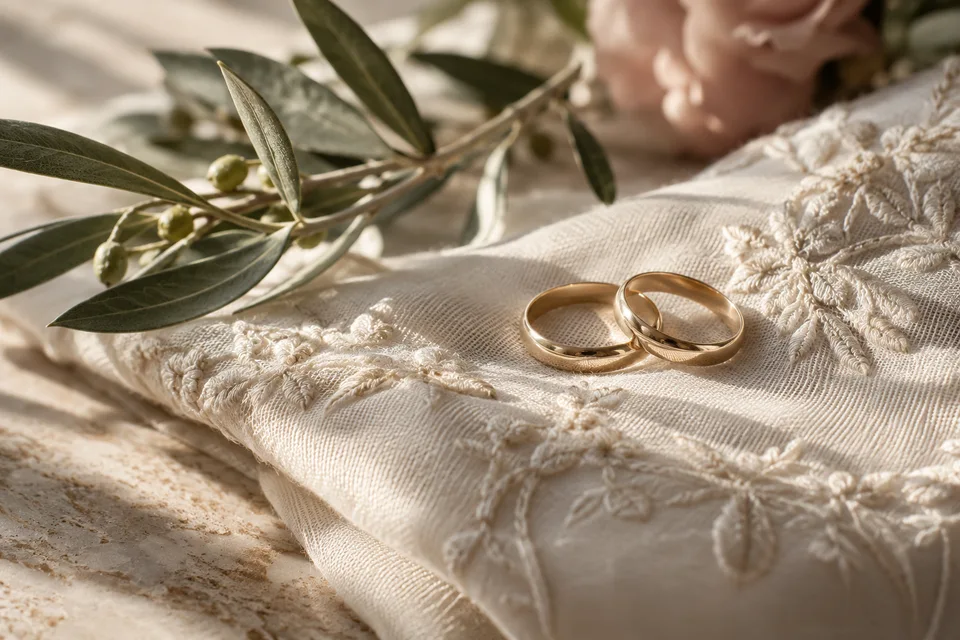
Rings are a familiar symbol in many weddings, but their use and meaning vary. Check whether your ceremony includes required words or practices around them. If rings are impractical or unwanted, ask your officiant which alternatives are available within the ceremony you have chosen.
A private exchange of letters, another meaningful object, or spoken promises without an object may suit some secular celebrations. Do not label a newly invented action as an ancient custom. Its value can come from what you intend now, without a borrowed history.
Keep, adapt, or skip: a discussion worksheet
| Choice | Ask yourselves | Possible approach |
|---|---|---|
| Keep | Does the meaning fit both of us? | Learn the practice and explain it accurately. |
| Adapt | Can it change within this tradition? | Consult the officiant or knowledgeable community member. |
| Skip | Would it create pressure or discomfort? | Tell affected participants kindly and early. |
| Create | What do we want to express? | Use an original action with an honest explanation. |
Try the worksheet separately before discussing answers together. If one partner feels strongly against an optional activity, treat that response seriously. A wedding should not require someone to endure public embarrassment to preserve a detail that other people expect.
Reception customs can be invitations
First dances, cake cutting, bouquet tosses, and speeches appear in some reception styles. They are not a universal reception formula. Consider the purpose behind each activity: marking the start of dancing, thanking guests, sharing food, or gathering attention for a brief celebration.
You might open the dance floor with friends, serve dessert without a staged cutting, or replace a bouquet toss with flowers given privately to someone important. Tell the coordinator and entertainment team about omissions so nobody announces an activity you deliberately left out.
Handle family disagreement without a history debate
Ask what a relative hopes the tradition will express. Often the concern is recognition, belonging, or continuity. You may be able to meet that need with another role or a quiet moment. Listening does not commit you to an activity you do not want.
“We know this moment matters to you. We have chosen a different entrance, and we would love you to give the welcome instead, if that feels comfortable.”
This original script names the decision and offers a genuine choice. Avoid offering a role you do not actually want the person to take. If the conversation remains difficult, return to the decision together before discussing it with a wider family group.
Give cultural practices their proper context
Do not choose a sacred ritual simply because it looks beautiful in photographs. Learn who traditionally conducts it, what preparation it involves, and whether adaptation is appropriate. An invitation to learn is different from permission to reproduce a practice.
For a wedding joining different traditions, ask each partner which elements matter most and arrange conversations with appropriate guides. Some elements may fit together; others may need separate occasions. Describe the ceremony accurately in programs and avoid presenting one family's version as the rule for an entire culture.
Explain enough for guests to participate
A short introduction can help guests understand when to stand, respond, watch quietly, or join in. Avoid turning the ceremony into a lecture. Check pronunciations and translations with the people whose language or tradition you are describing.
Keep legal marriage requirements separate from symbolic decisions. A meaningful ritual does not automatically satisfy the requirements of your jurisdiction. Confirm those details directly. Then use our ceremony planning ideas to arrange your choices and our bridal style guide to translate them into a comfortable look.
A thoughtful wedding does not need every available tradition. Choose practices with understood meanings, give participants clear choices, and explain adaptations honestly. The result can honor continuity while leaving room for the relationship you are celebrating.
Published by Anna’s Weddings Editorial. Examples are illustrative; planning suggestions should be adapted to your location, venue, and circumstances. Read our editorial standards.